Prevention of Cervical Cancer
Protecting Your Health. Preventing Disease. Saving Lives.
What Is Cervical Cancer?
Cervical cancer is a cancer that starts in the cervix, the lower part of the uterus (womb) that opens into the vagina.
It usually develops slowly over many years, beginning with precancerous changes in cervical cells.
The most important fact:
Cervical cancer is one of the most preventable cancers in women.
What Causes Cervical Cancer?
The main cause is persistent infection with Human Papillomavirus (HPV).
About HPV:
- HPV is a very common virus
- Spread through sexual contact
- Most women will get HPV at some point in life
- In many cases, the body clears the virus naturally
- Persistent high-risk HPV types can cause cervical cancer over time
Who Is at Risk?
Any woman who has:
- Been sexually active
- Early age at first intercourse
- Multiple sexual partners
- A partner with multiple partners
- Smoking habit
- Weak immunity (HIV, long-term steroid use)
- Poor follow-up or lack of screening
Cervical cancer can occur even without symptoms in early stages
How Can Cervical Cancer Be Prevented?
Prevention works at three levels:
1. Primary Prevention – Stop Cancer Before It Starts
HPV Vaccination
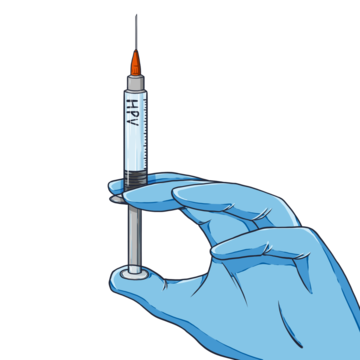
HPV vaccination protects against the high-risk HPV types that cause most cervical cancers.
Who should get the vaccine?
- Girls aged 9–14 years (best protection)
- Women up to 45 years can still benefit
- Even if married or sexually active, vaccination is useful
How many doses?
- 2 doses (9–14 years)
- 3 doses (15 years and above)
Important points:
- Vaccine does not treat existing infection
- Vaccine does not replace screening
- Very safe, with mild side effects like pain or fever
2. Secondary Prevention – Detect Changes Early
Cervical Cancer Screening
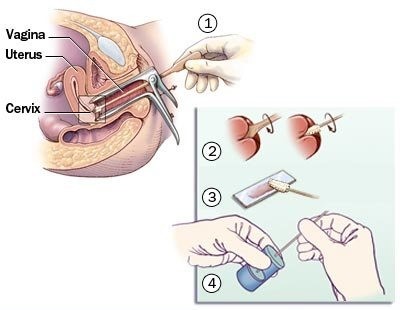
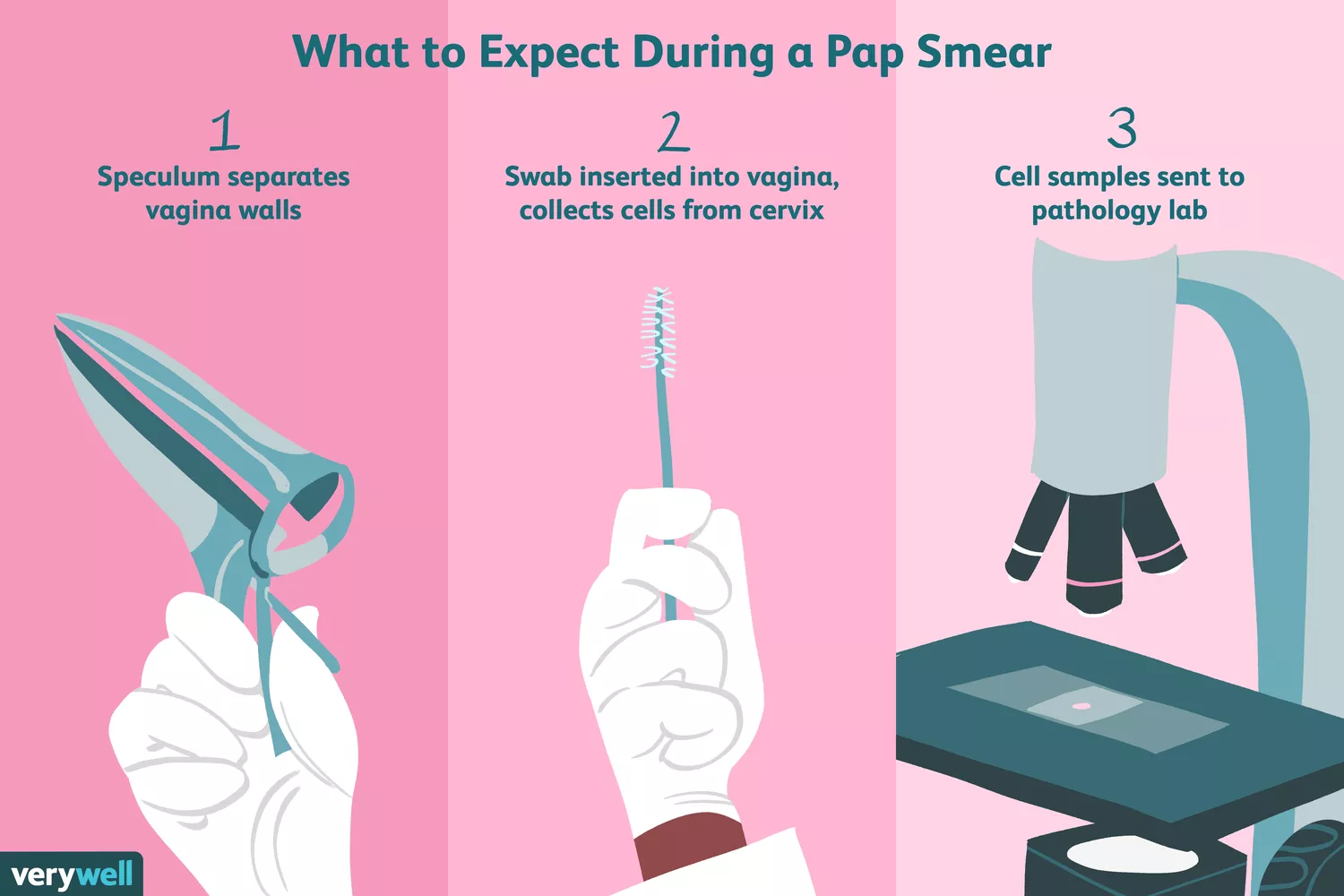
Screening finds precancerous changes before cancer develops.
Pap Smear Test
- Simple test done during pelvic examination
- Detects abnormal cervical cells
- Painless, takes only a few minutes
HPV DNA Test
- Detects high-risk HPV infection
- More sensitive than Pap smear
- Can be done alone or along with Pap smear
Who should be screened?
- All women from age 21
- Even after childbirth
- Even without symptoms
- Even after vaccination
How often?
- Pap smear: every 3 years
- HPV test: every 5 years
- As advised by your doctor
3. Tertiary Prevention – Prevent Progression
If abnormal cells are detected early:
- They can be treated easily
- Simple outpatient procedures can prevent cancer
- Regular follow-up ensures complete safety
Common Myths & Facts
- Myth: I have no symptoms, so I don’t need screening
Fact: Early cervical cancer has no symptoms
- Myth: Only married women get cervical cancer
Fact: Any sexually active woman is at risk
- Myth: Vaccine causes infertility
Fact: HPV vaccine is safe and fertility-friendly
- Myth: Screening is painful
Fact: It is quick and usually painless
Warning Symptoms (Do Not Ignore)
Seek medical advice if you have:
- Bleeding between periods
- Bleeding after intercourse
- Bleeding after menopause
- Persistent foul-smelling vaginal discharge
- Pelvic pain
These symptoms do not always mean cancer, but they must be checked
Healthy Lifestyle Habits That Help
- Avoid smoking
- Practice safe sex
- Maintain good genital hygiene
- Eat a balanced diet rich in fruits and vegetables
- Keep regular gynecological check-ups
Key Take-Home Messages
- Cervical cancer is preventable
- HPV vaccination + regular screening saves lives
- Early detection means simple treatment and complete cure
- Every woman deserves protection and awareness
We Are Here to Help You
If you have questions about:
- HPV vaccination
- Pap smear or HPV testing
- Abnormal test results
- Follow-up and treatment
Please talk to your doctor. Early action protects your future.
 Chat With Us